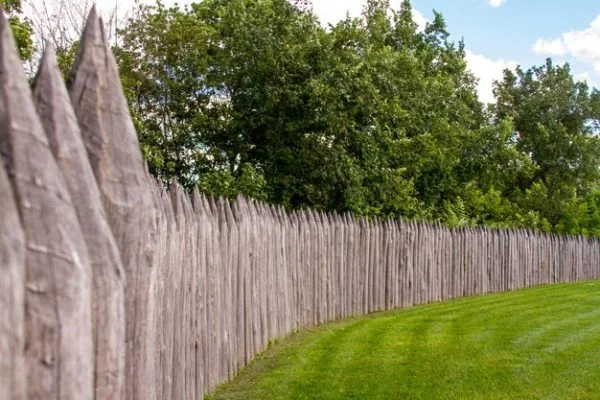
Wooden garden stakes hold up plants, frame trellises, edge beds and carry fences. Wood suits the garden because it looks natural, is easy to cut and fix, and is made from a renewable material. This guide covers the main uses, how to choose the right stake, and the sizes Woodbase supplies.
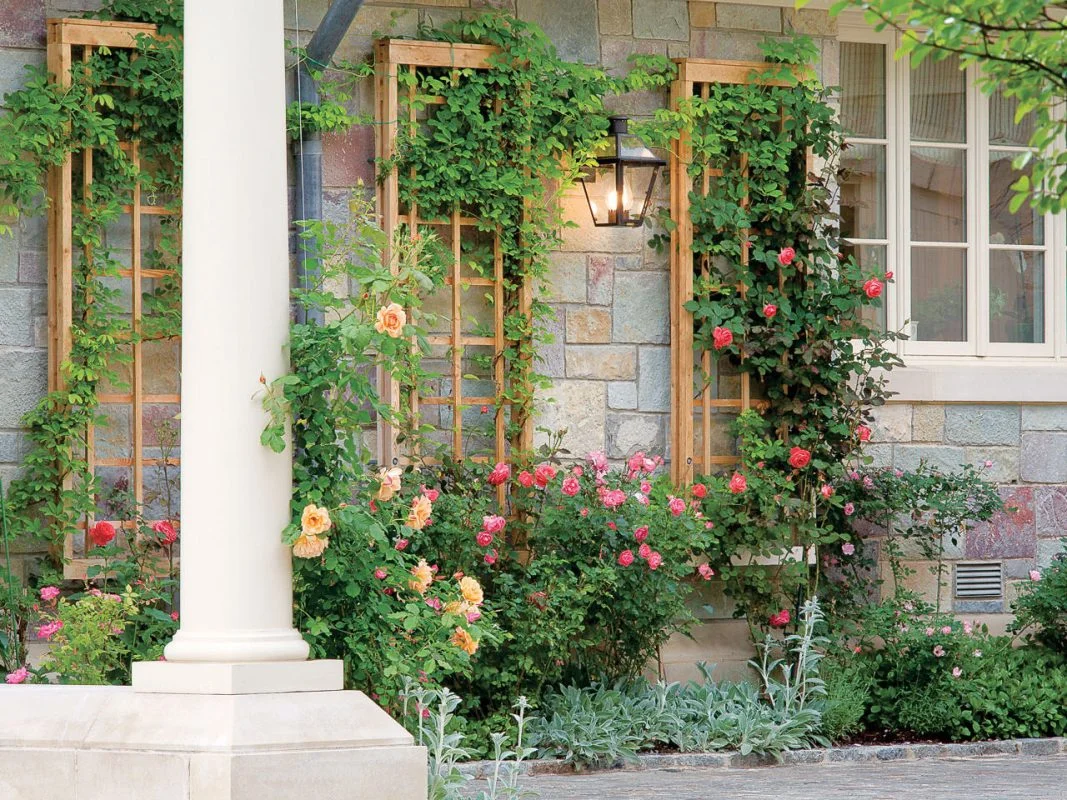
Uses for Wooden Garden Stakes
- Plant support: tomatoes, beans, dahlias and young trees tied to a stake grow straight and stand up to wind.
- Trellises and arches: stakes form the uprights of frames for climbing roses, vines and fruit.
- Bed edging and raised beds: driven in as corner posts, they hold boards in place.
- Fencing: pointed stakes are the posts of garden and livestock fences; see wooden stakes for fencing.
- Markers and features: row markers, lantern posts and borders.
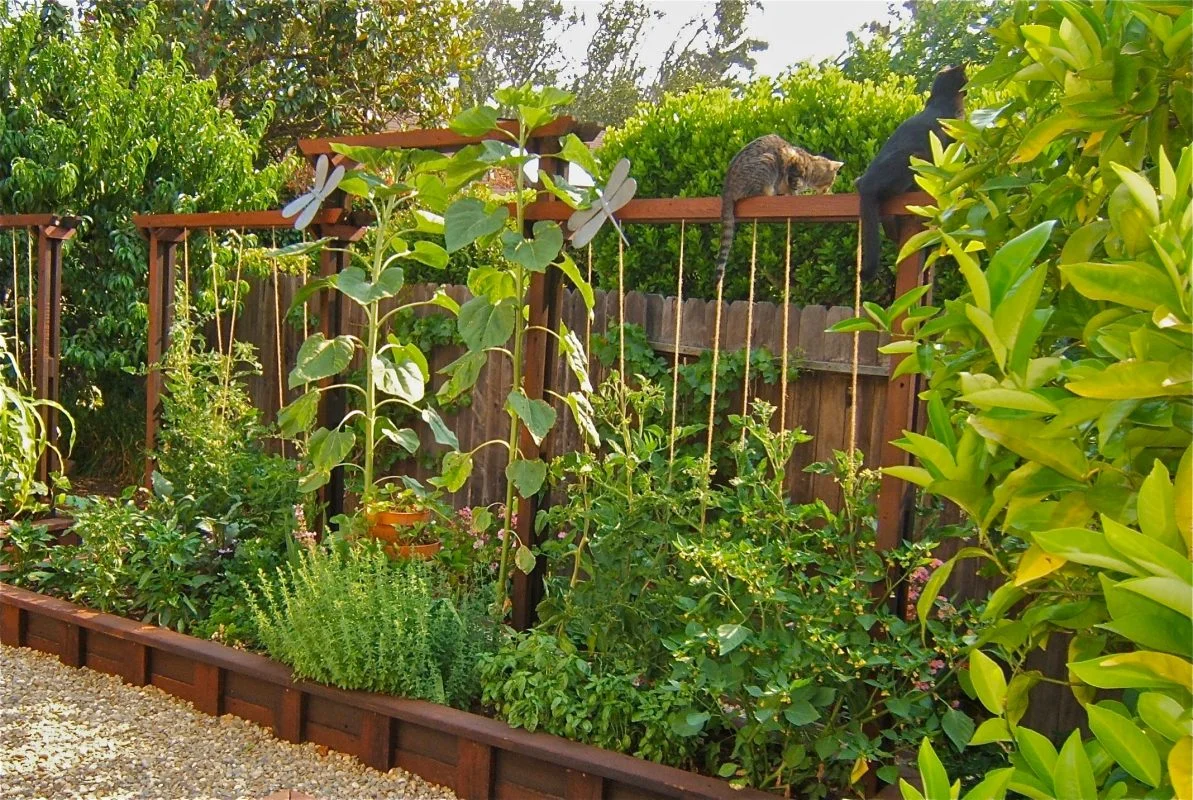
Choosing the Right Stake
- Length: long enough to stand above the plant or fence and still go deep into the ground.
- Thickness: thin canes suit light plants; trees, trellis frames and fences need a thicker stake.
- Wood: hardwoods such as acacia and eucalyptus are dense and strong.
- Finish: debarked or machine-rounded stakes look neater; stakes impregnated with protective chemicals last longer in wet soil.
- Point: a pointed end drives into the ground without a pre-dug hole.
Wooden Stakes from Woodbase
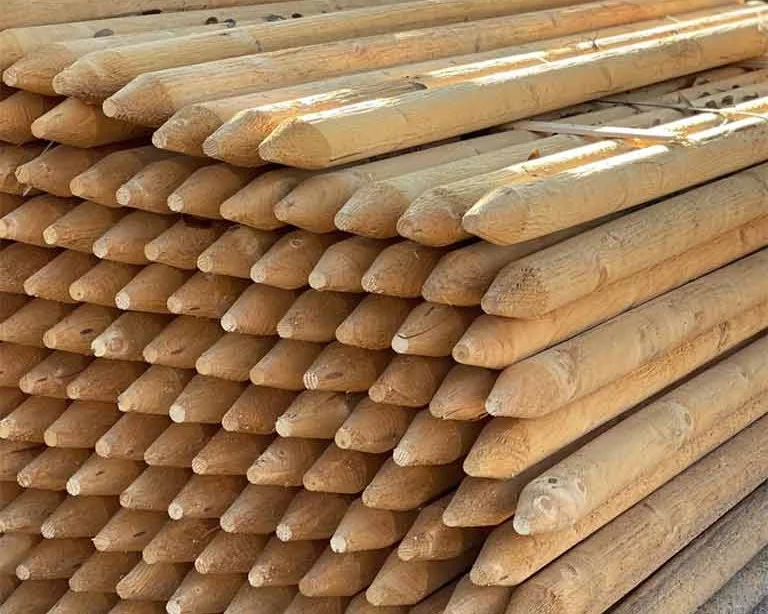
Our Wooden Stakes are acacia or eucalyptus, 6–12 cm thick and 1–3 m long, which suits fence posts, trellis frames and tree stakes rather than thin plant canes.
| Wood | Acacia, eucalyptus |
| Lengths | 1, 1.2, 1.4, 1.6, 1.8, 2, 2.5 and 3 m |
| Diameters | 6, 7, 8, 9, 10, 11 and 12 cm |
| Shape | Round or square, pointed at one end |
| Finish | Debarked, machine rounded, or impregnated with protective chemicals |
| Moisture | Below 10% |
| Packing | To your request |
| Minimum order | 1 × 40ft HC; 10 × 40ft HC a month |
Read More
For longer and thicker poles, see Eucalyptus Poles and our guide to eucalyptus pole price and cost. Send us the size, finish, quantity and destination port for a quote.