

The horse bedding manufacturing process decides how a bed behaves in the stall: how much it soaks up, how much dust the horse breathes, and how easily wet patches lift out. This guide follows wood shavings bedding from the wood to the container, the way Woodbase makes its pine shavings in Vietnam, and lists what to check when you choose a manufacturer.

Step 1: The Wood
Bedding is only as clean as the wood it comes from. Our Pine Wood Shavings are 100% pine, a softwood that stays soft underfoot and has the fresh smell most horse owners prefer. Our Wood Shavings blend pine with acacia, a hardwood, for cattle and poultry. Both come from plantation wood from sustainably managed forests, and Woodbase is FSC certified (licence code FSC-C181688).
Step 2: Shaving
The wood is cut into thin curls. Curls rather than fine dust are what make shavings springy: they trap air, cushion the horse when it lies down, and give the bed its depth. Bark and foreign matter have no place in a bed, so a good manufacturer keeps them out of the line.
Step 3: Drying
Fresh wood holds a lot of water, and bedding that is already damp cannot soak up urine. Our pine shavings are dried to under 15% moisture and our mixed wood shavings to 10% or less, so the shavings arrive ready to absorb rather than already wet. Dry shavings also hold down ammonia in the stall.

Step 4: Screening
Screening sorts the shavings by size and takes out the fines. It sets the two cuts we supply: 1–5 mm, which lies flat in an even layer, and 1–15 mm, larger flakes that make a looser, springier bed for stalls. For horses, low fine dust matters most, because the horse breathes the bed all night. When you compare suppliers, ask how the shavings are screened.
Step 5: Pressing and Packing
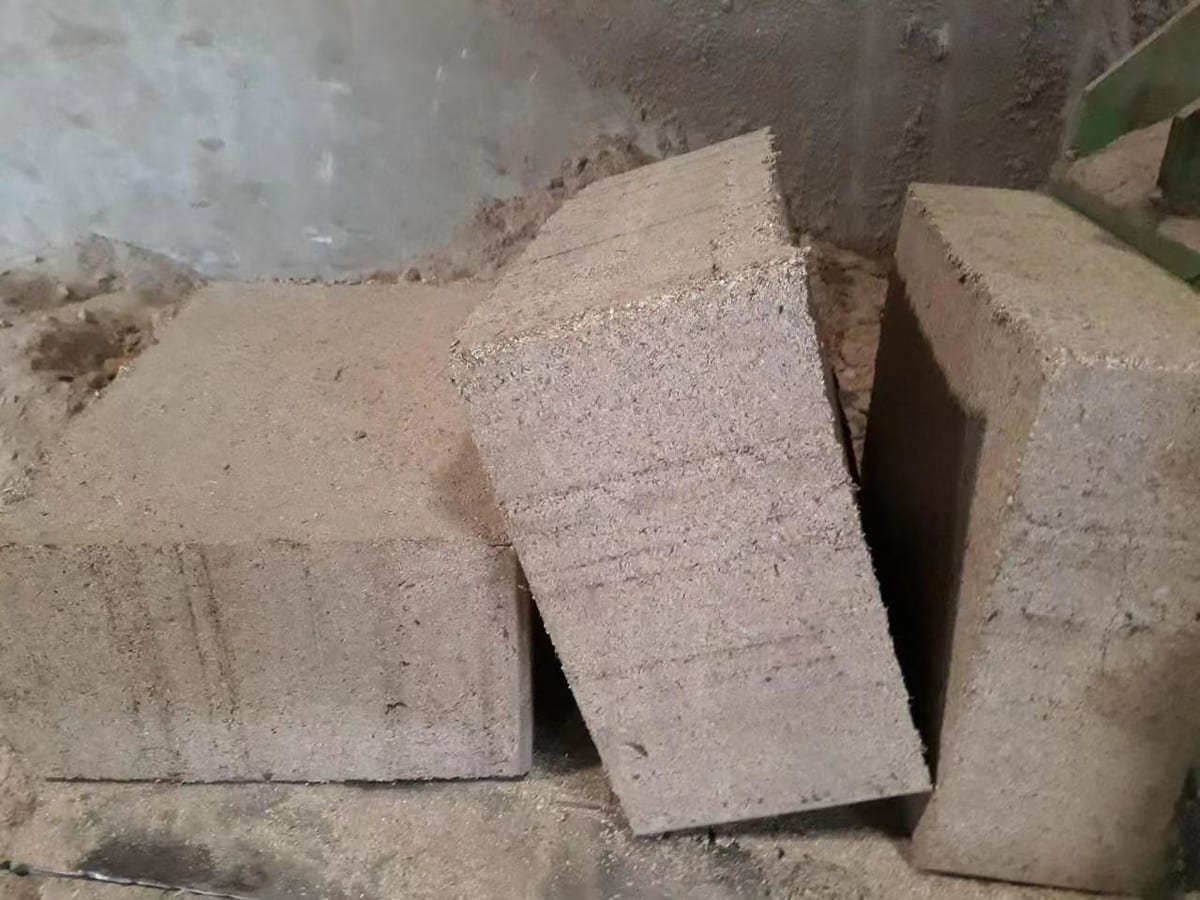
Loose shavings are mostly air, so they are pressed before shipping. Pine shavings are pressed into blocks of 35 × 35 × 30 cm (15 kg) or packed in jumbo bags of 550–600 kg; mixed wood shavings go into blocks of 10, 15 or 20 kg. Pressing keeps the shavings clean on the way and puts on average 22–24 tons into a 40ft HC container, depending on compression. A pressed block opens up again once the wrap is cut.
What to Ask a Horse Bedding Manufacturer
- Wood: which species, and is it free of bark and foreign matter? Avoid black walnut, which is toxic to horses.
- Moisture: the figure the shavings are dried to.
- Cut: the flake size, and whether the shavings are screened to take out fine dust.
- Packing: block or bag size, and how many tons fit in a container.
- Supply: how many containers a month, so your stable or store does not run out.

Horse Bedding from Woodbase
We ship Pine Wood Shavings from one 40ft HC container and supply up to about 20 containers a month, paid by T/T (30% deposit, 70% against copy of documents) or L/C at sight. To compare bedding types, read pine wood shavings for horses and softwood shavings for horses; for your first order, see how to import wood shavings from Vietnam.


